

Engaging participants in meetings can often be a challenge, especially in today’s fast-paced work environment. Icebreaker games serve as a powerful tool to foster interaction, build rapport, and create a more dynamic atmosphere. Below is a curated list of icebreaker games designed specifically for adults, aimed at boosting participation and ensuring that every voice is heard. For even more options across formats and team sizes, explore our full hub of icebreaker games and activities.
Why Icebreakers Matter
Icebreakers are not just fun activities; they play a crucial role in setting the tone for a meeting. By breaking down barriers and encouraging open communication, icebreakers can transform a one-way presentation into a two-way conversation. This is particularly important for professionals like Jamie, a sales manager, who seeks to engage her audience and capture valuable feedback during presentations. When Jamie incorporates icebreakers into her meetings, she not only warms up the room but also fosters a sense of community among participants, making them feel valued and heard.
Moreover, icebreakers can help participants feel more comfortable, especially in virtual meetings where engagement can be more challenging. They create an environment where attendees are more likely to ask questions and share insights, ultimately leading to a more productive session. If your goal is workplace-appropriate fun that lands, this guide to icebreaker games for work your team will actually enjoy is a useful companion. For instance, a simple icebreaker like sharing a fun fact or a personal anecdote can spark conversations that reveal common interests or experiences, paving the way for deeper connections. This is particularly beneficial in diverse teams, where individuals may come from various backgrounds and perspectives, enhancing creativity and collaboration.
Additionally, icebreakers serve as a powerful tool for energizing participants, especially during long meetings or workshops. A quick, interactive activity can re-energize the group, refocusing their attention and boosting morale. For example, a brief team-building exercise can break the monotony of a lengthy agenda, allowing participants to stretch their legs and reset their minds. This not only refreshes their focus but also reinforces teamwork and camaraderie, making the overall experience more enjoyable and effective.
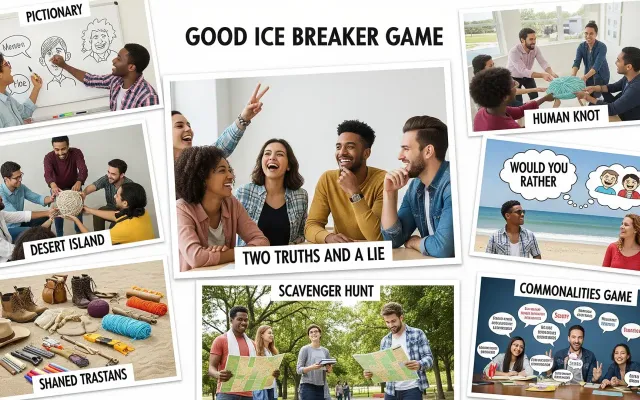
1. Two Truths and a Lie
This classic icebreaker is simple yet effective. Each participant takes turns sharing three statements about themselves—two truths and one lie. The goal is for the rest of the group to guess which statement is the lie. This game not only encourages participation but also helps team members learn more about each other in a fun way. It can lead to surprising revelations and laughter, breaking down barriers that might exist in a more formal setting.
How to Play
To play Two Truths and a Lie, follow these steps:
- Ask each participant to come prepared with their three statements.
- One by one, each person shares their statements while others listen carefully.
- After all statements are shared, the group discusses and votes on which statement they believe is the lie.
Benefits
This game is particularly beneficial for teams that may not know each other well. It fosters a sense of camaraderie and encourages participants to engage with one another, making it an ideal choice for meetings that require collaboration. Additionally, it can serve as a great equalizer, allowing quieter members of the group to shine and share unique aspects of their lives that might otherwise go unnoticed. The diverse range of statements can also spark deeper conversations, leading to connections based on shared experiences or interests.
Moreover, Two Truths and a Lie can be adapted to fit various themes or contexts, such as focusing on professional achievements, travel experiences, or even quirky hobbies. This flexibility allows teams to tailor the game to their specific dynamics and goals, ensuring that it remains relevant and engaging. As participants reveal their truths and lies, they often find common ground, which can enhance teamwork and collaboration in future projects.
2. The Emoji Story
In a world dominated by digital communication, the Emoji Story game taps into a modern form of expression. Participants use emojis to tell a brief story about their day, week, or a recent experience. This icebreaker is especially effective in virtual settings, where text and emojis can enhance the interaction. The playful nature of emojis allows individuals to convey emotions and nuances that might be lost in traditional text, making the storytelling experience more vibrant and relatable.
How to Play
To facilitate The Emoji Story, follow these steps:
- Each participant selects 3-5 emojis that represent their story.
- Participants take turns sharing their emojis and explaining their significance.
- Encourage follow-up questions to deepen the conversation.
Benefits
This game not only sparks creativity but also promotes engagement through visual storytelling. It allows participants to express themselves in a unique way, making it easier for them to connect with one another. Additionally, the use of emojis can help break down language barriers, as visual symbols often transcend linguistic differences, enabling a broader range of participants to join in the fun. This can lead to a more inclusive atmosphere where everyone feels comfortable sharing their experiences.
Moreover, The Emoji Story can serve as a valuable tool for team building, as it encourages individuals to share personal anecdotes that might not typically come up in a professional setting. By revealing bits of their lives through the lens of emojis, participants can foster empathy and understanding, creating a stronger bond among team members. This shared experience can lead to improved collaboration and communication, ultimately enhancing the overall dynamics of the group.
3. Virtual Background Challenge
For remote meetings, the Virtual Background Challenge can add a layer of fun and creativity. Participants choose a virtual background that reflects their personality, interests, or even a favorite vacation spot. This icebreaker encourages discussion and laughter, setting a positive tone for the meeting.
How to Play
To implement the Virtual Background Challenge, follow these guidelines:
- Inform participants ahead of time to prepare a virtual background.
- At the start of the meeting, each person explains their chosen background.
- Encourage light-hearted banter and discussions about the backgrounds.
Benefits
This activity not only breaks the ice but also allows participants to showcase their creativity and interests. It can lead to deeper conversations and connections, especially among team members who may not interact regularly.
4. The Common Thread
The Common Thread game is an excellent way to identify shared interests among participants. This activity encourages collaboration and helps build relationships, making it particularly useful for teams looking to strengthen their bond.
How to Play
To play The Common Thread, follow these steps:
- Divide participants into small groups.
- Challenge each group to find three things they all have in common.
- After a set time, each group shares its commonalities with the larger group.
Benefits
This game promotes teamwork and fosters a sense of belonging. It can also lead to valuable insights about team dynamics, which can be leveraged in future meetings to enhance participation.
5. Would You Rather?
This classic game is a fun way to get participants thinking creatively while sharing their preferences. The premise is simple: participants are presented with two options and must choose one, often leading to humorous discussions.
How to Play
To facilitate a game of Would You Rather, follow these steps:
- Prepare a list of interesting and thought-provoking questions.
- Take turns asking participants to choose between two options.
- Encourage participants to explain their choices, fostering discussion.
Benefits
This game not only lightens the mood but also encourages participants to express their opinions and preferences. It can serve as a great segue into more serious topics, making it an effective tool for engaging discussions.
6. The Question Web
The Question Web is an interactive icebreaker that encourages participants to ask questions and learn more about each other. This activity promotes engagement and can help uncover insights that may be useful for team collaboration.
How to Play
To implement the Question Web, follow these guidelines:
- One participant starts by asking a question to another participant.
- After answering, the second participant asks a new question to someone else.
- This continues until everyone has had a chance to ask and answer questions.
Benefits
This icebreaker fosters open communication and encourages participants to engage with one another. It can also lead to valuable insights and connections that enhance team dynamics.
7. Show and Tell
Show and Tell is a nostalgic icebreaker that allows participants to share something meaningful to them. This activity promotes personal storytelling and encourages participants to connect on a deeper level.
How to Play
To facilitate Show and Tell, follow these steps:
- Ask participants to bring an item that holds personal significance.
- Each participant takes turns sharing their item and its story.
- Encourage questions and discussions after each presentation.
Benefits
This activity creates a warm and inviting atmosphere, allowing participants to bond over shared experiences. It can lead to deeper connections and a more cohesive team environment.
8. The Compliment Circle
The Compliment Circle is a powerful icebreaker that promotes positivity and boosts morale. Participants take turns giving compliments to one another, fostering a supportive environment.
How to Play
To implement the Compliment Circle, follow these guidelines:
- Gather participants in a circle (or virtual circle) format.
- Each participant gives a compliment to the person on their right.
- Continue until everyone has received a compliment.
Benefits
This activity promotes a positive atmosphere and encourages participants to appreciate one another. It can lead to increased motivation and a stronger team dynamic.
9. The Icebreaker Bingo
Icebreaker Bingo is a fun and interactive way to encourage participants to mingle and learn more about each other. This game combines the excitement of bingo with personal interactions, making it a great choice for larger groups.
How to Play
To facilitate Icebreaker Bingo, follow these steps:
- Create bingo cards with various personal statements (e.g., “Has traveled to three countries” or “Loves spicy food”).
- Distribute the cards to participants and encourage them to mingle to find people who match the statements.
- Once someone gets a bingo, they shout it out and can share a fun fact about the people they connected with.
Benefits
This game encourages participants to engage with one another and learn interesting facts about their colleagues. It can lead to valuable connections and a more engaged team.
10. The Group Story
The Group Story is an engaging icebreaker that encourages creativity and collaboration. Participants take turns adding a sentence to a story, resulting in a unique and often humorous narrative.
How to Play
To implement The Group Story, follow these steps:
- One participant starts with a sentence to begin the story.
- Each participant takes turns adding a sentence to the story.
- Continue until the story reaches a natural conclusion or a set time limit is reached.
Benefits
This activity fosters teamwork and creativity while allowing participants to engage in a lighthearted manner. It can also serve as a great icebreaker before diving into more serious meeting topics.
11. Storytelling Circle
In a storytelling circle, each participant shares a brief personal story related to a specific theme, such as “a memorable vacation” or “a challenge overcome.” This game encourages vulnerability and openness, allowing team members to connect on a deeper level. The act of sharing personal experiences humanizes each participant and highlights the diverse backgrounds and perspectives within the team, which can be a powerful asset by bringing a variety of ideas and solutions to the table.
How to Play
To facilitate a Storytelling Circle, follow these steps:
- Choose a theme that everyone can relate to, such as a memorable trip or a lesson learned.
- Each participant takes a turn sharing a short story tied to the theme.
- Encourage follow-up questions, prompting further discussion and connection.
Benefits
By encouraging curiosity and dialogue, team members can delve deeper into each other’s stories, leading to richer understanding and empathy. It can also spark inspiration for collaborative projects, as team members may discover shared interests or complementary skills they can leverage in their work.
12. Team Building Workshops
Consider organizing team-building workshops that incorporate icebreaker games. These workshops can focus on specific skills, such as communication, leadership, or conflict resolution. By integrating icebreakers into these sessions, participants build rapport while developing valuable skills, creating a dynamic learning environment where team members feel safe to express themselves and take on new challenges.
How to Run It
To structure a team-building workshop, follow these guidelines:
- Open with a quick icebreaker to relax the group before the skill-focused work begins.
- Tailor the workshop to address specific team needs so the activities resonate with participants.
- Have facilitators guide discussions that help participants reflect on their experiences and apply lessons learned to daily interactions.
Benefits
Workshops provide a structured environment for team members to explore their strengths and weaknesses, leading to improved collaboration and understanding. By investing time in these sessions, organizations can cultivate a culture of continuous improvement and mutual support, ultimately enhancing overall performance and job satisfaction.
13. The Name Game
The Name Game is a simple yet effective icebreaker that helps participants remember each other’s names. Each person states their name along with an adjective that describes them and starts with the same letter (e.g., “Joyful John”). As the game progresses, participants must repeat the names and adjectives of those who came before them.
How to Play
To facilitate The Name Game, follow these steps:
- Have the first participant share their name paired with a matching adjective.
- Each subsequent participant repeats the previous names and adjectives before adding their own.
- Keep the pace light and encourage laughter when someone gets tangled up.
Benefits
This game not only aids in name retention but also encourages creativity and laughter. It’s a great way to kick off a meeting or workshop, setting a positive tone for the rest of the event.
14. Speed Networking
Speed networking is a fast-paced icebreaker that allows participants to meet multiple team members in a short amount of time. Set up a series of timed conversations, where participants rotate partners every few minutes. This format encourages quick introductions and helps team members discover common interests.
How to Play
To run Speed Networking, follow these steps:
- Pair participants and give them a few minutes to introduce themselves and find common ground.
- Rotate partners on a timer so everyone meets several people.
- Optionally provide a prompt or question to guide each conversation.
Benefits
This activity is particularly useful in larger teams, where individuals may not have the opportunity to interact with everyone. By facilitating these brief encounters, speed networking can lead to meaningful connections and collaborations down the line.
Make Every Meeting Memorable
Icebreaker games are an effective way to enhance participation and engagement in meetings. By incorporating these activities, presenters like Jamie can create an interactive environment that encourages open communication and collaboration. With tools that engage every attendee from any browser and add AI-powered Q&A, the process of gathering feedback and fostering interaction becomes even more effortless.

Whether in-person or virtual, these icebreakers can transform meetings from mundane to memorable, ensuring that every participant feels valued and heard. Start implementing these games today to elevate your meetings and create a more connected team.
Unlock the Power of Engagement with PresEngage®
Ready to take your meetings and presentations to the next level? With PresEngage, you can harness the power of AI to engage your audience through a seamless audience Q&A platform. Experience real-time interaction that captures every question and provides CRM-able data, all without the need for additional apps. Whether you’re a presenter, educator, trainer, or business professional, PresEngage is designed to help you connect and convert your audience with ease. Start for FREE today and revolutionize the way you engage!
You Finish. Your Presentation Doesn't.
Free forever for up to 25 audience members — start with a 14-day free trial.
No credit card · Free forever for up to 25 audience members · 14-day full-feature trial
Keep exploring
Icebreakers & Team Games
8 Good Ice Breaker Games for Better Meetings
Read
Fun Icebreaker Prompts to Get Everyone Talking
Read
Ice Breakers for Work: 12 That Get Everyone Talking
Read
Icebreaker Games to Make Meetings Memorable
Read
Free Icebreakers for Meetings (No Prep Needed)
Read
Fresh Icebreaker Games to Energize Any Meeting
Read